Dog Travel
Taking Your Dog From Texas to Mexico: The New 2026 Inspection Requirement
Mexico now requires a recent New World screwworm inspection certificate for pet dogs arriving from the United States. Here is what Texas travelers should arrange before departure.
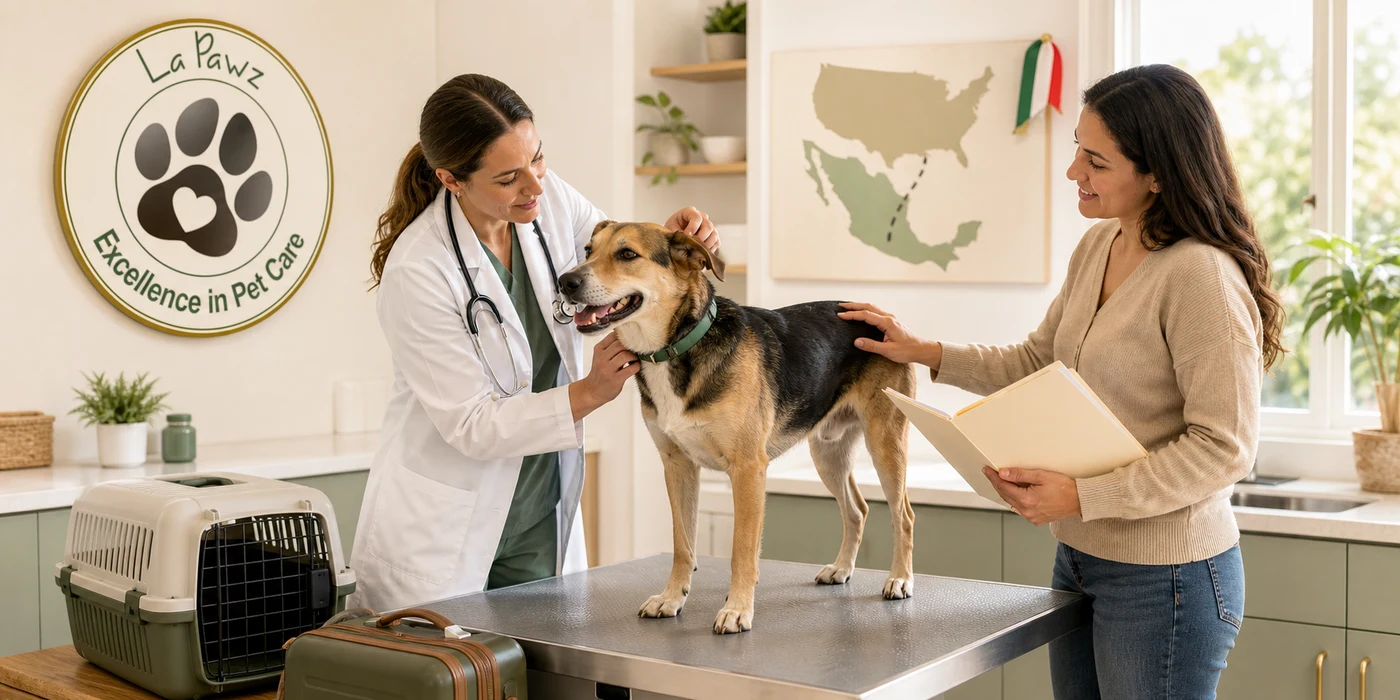
A road trip from Plano to Mexico can begin with familiar things: a leash by the door, a favorite blanket in the carrier, and a dog who becomes excited the moment a suitcase appears. Since August 3, 2026, however, families traveling from the United States to Mexico with a pet dog need to add one time-sensitive veterinary document to that picture.
Mexico now requires an official New World screwworm inspection certificate for pet dogs arriving from the United States. The certificate must be signed by a USDA-accredited veterinarian and issued no more than five days before entry into Mexico. This is more than a general wellness note, and a grooming appointment—even one that includes careful coat and skin handling—does not replace it.
La Pawz Dog Care can help your dog travel clean, comfortable, and accustomed to gentle handling. Only the appropriate veterinary professional can perform the official examination and sign the form.
What changed on August 3, 2026?
The current USDA APHIS guidance for taking pets from the United States to Mexico says that a dog traveling from the United States must be accompanied by the “NWS Inspection Certificate for Pet Dogs Moving (Exporting) from the United States to Mexico.” NWS means New World screwworm.
The document must be:
- completed after the dog is thoroughly inspected;
- issued within five days before the dog enters Mexico;
- signed by a USDA-accredited veterinarian; and
- carried for review when the dog arrives.
The official bilingual dog inspection certificate records the clinic, owner, dog, inspection date, identification, and microchip number when applicable. The veterinarian certifies that the dog is free of screwworm or, after a previous infestation, completed treatment and isolation and has fully healed wounds.
The form also calls for the accredited veterinarian’s handwritten signature, not a digital signature, in ink that differs from the printed document. Because the five-day window is short, schedule the appointment around the actual border-crossing or arrival date, not simply the day you leave Plano.
What will Mexican officials check on arrival?
The certificate does not eliminate Mexico’s physical inspection. Travelers must take their dog in a clean carrier to the Agricultural and Livestock Health Inspection Office, commonly called OISA, and contact SENASICA personnel.
According to APHIS, officials will verify that the dog:
- shows no signs of an infectious or contagious disease;
- is free of external parasites such as fleas or ticks;
- has no fresh wound or wound that is still healing; and
- has the required screwworm inspection certificate issued within the five-day limit.
If external parasites are found, the owner must arrange effective treatment with a veterinarian. If ticks are detected, officials may collect samples for laboratory identification and hold the dog at OISA until the result is known. The traveler is responsible for related costs.
Carrier condition matters too. A dirty carrier, or one containing disposable bedding, newspaper, sawdust, rags, toys, or food, may be disinfected and its contents destroyed. Only the portion of balanced dog food needed on arrival day is permitted. Recheck the official page shortly before travel.
Why New World screwworm is part of the inspection
New World screwworm is a parasitic fly whose larvae can damage living tissue after eggs are laid in wounds or body openings. Dogs, cats, wildlife, people, and livestock can be affected, so the veterinary form covers skin, paws, folds, ears, and mucous membranes.
This article is not a guide to diagnosing screwworm at home. If your dog has a wound, unusual discharge, a foul odor, visible larvae or egg masses, unexpected pain, loss of appetite, or behavior that suggests illness, contact a veterinarian promptly. Do not groom over a suspicious wound or delay care to protect a travel schedule.
A practical timeline for Plano pet parents
Two to four weeks before travel
Confirm that your veterinarian is USDA-accredited and familiar with Mexico’s current dog requirements. Share your entry date and method of travel. Download the current certificate from APHIS, but allow the veterinarian to determine how it should be completed.
If flying, confirm airline documents, carrier dimensions, temperature restrictions, and deadlines. If driving, check the border crossing and its hours. Research the return to the United States too; it has separate rules.
This is a sensible time for routine grooming. A well-maintained coat makes everyday skin and paw observation easier, especially on thick- or long-coated dogs. Avoid waiting until the last minute for a dramatic coat change that could irritate the skin.
Within five days before entering Mexico
Attend the veterinary inspection and obtain the completed certificate. Check that the owner’s name, dog’s description, dates, veterinarian’s accreditation details, and handwritten signature are complete and readable. Count backward from the date of entry into Mexico, not from the start of a multi-day trip.
Protect the original in an accessible folder and keep a digital backup. Continue checking your dog for ticks, irritation, cuts, hot spots, or other changes that need veterinary advice.
On the travel day
Use a clean carrier without prohibited loose contents. Pack travel documents where they can be reached without unloading the car or opening luggage at the border. Bring only the permitted food portion for the day of arrival, plus water in accordance with your carrier’s rules.
Allow extra time for the SENASICA inspection. A calm dog who is comfortable with paws, ears, and coat being handled may find the process easier, but behavior preparation never substitutes for the official examination.
Plan the return to Texas before you leave
Mexico is considered affected by screwworm for U.S. entry purposes. The APHIS requirements for dogs entering or returning to the United States currently require a screwworm freedom certificate based on an inspection within five days before shipment. For dogs departing Mexico, an appropriately trained and authorized Mexican clinical veterinarian may issue that certification.
The CDC also requires a CDC Dog Import Form receipt for every dog entering or returning to the United States. Other CDC requirements depend on the dog’s age, health, microchip, vaccination history, and countries visited during the previous six months. Use the CDC Dog Importation Navigator and current APHIS guidance rather than assuming the outbound certificate covers the trip home.
The CDC’s August 27, 2026 FAQ makes three baseline requirements explicit: dogs must appear healthy, be at least six months old, and have a microchip readable by a universal scanner. These apply to returning U.S. pets too. CDC paperwork does not replace the separate APHIS screwworm certificate.
What La Pawz can—and cannot—do
La Pawz Dog Care can provide routine grooming before travel, help maintain a coat that is easier for you and your veterinarian to examine, and practice patient handling around paws and ears. We can also care for your dog through boarding if your travel plans change.
We cannot issue the Mexico screwworm inspection certificate, diagnose parasites or infectious disease, clear a wound for travel, or guarantee admission at a border. A grooming inspection is not a veterinary inspection.
If Mexico is on your calendar, make the accredited veterinary appointment your first priority. Then, if your dog would benefit from routine coat care before the trip, request a grooming appointment with La Pawz Dog Care in Plano. Tell us your travel date so we can recommend timing that supports comfort without competing with the required five-day veterinary window.