Wellness
Dog Teeth Care and Bad Breath: What Plano Pet Parents Should Know
Bad breath is common, but it should not be ignored. A simple home routine and regular veterinary dental care can help protect your dog's comfort.
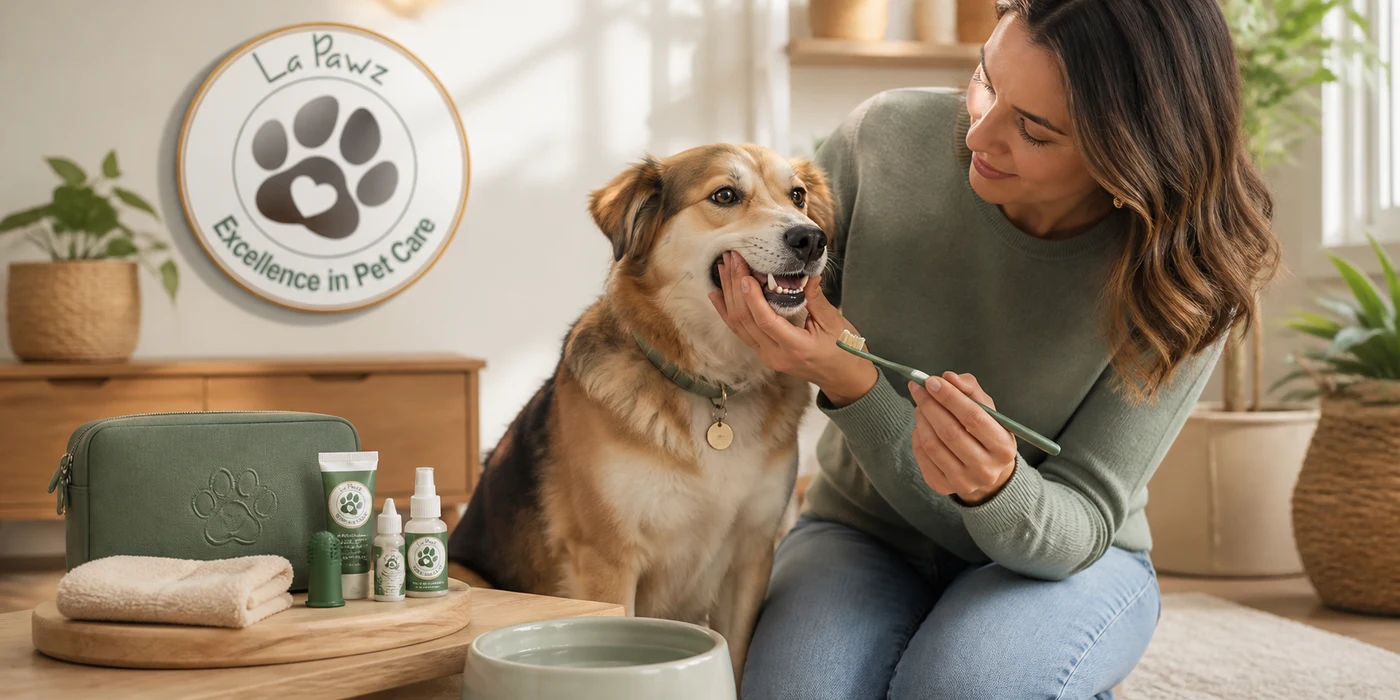
Bad breath is easy to joke about and easy to overlook. A little mealtime breath may be normal, but a strong, sour, rotten, metallic, or suddenly different smell from your dog’s mouth deserves attention. Breath odor can be related to plaque, tartar, gum inflammation, trapped food, oral pain, or medical problems that only a veterinarian can diagnose.
The best mindset is simple: fresh breath starts with consistent care, not a once-in-a-while scramble. For La Pawz families in Plano, Richardson, Allen, Murphy, and North Dallas, a good dental routine sits alongside regular grooming, nail care, coat care, and wellness observation. Groomers are not veterinarians, but regular hands-on care can help owners notice changes earlier and build better habits at home.
Why dog breath starts to smell
Most dog breath problems begin with buildup. After a dog eats, plaque can form on the teeth. If plaque is not disrupted, it can harden into tartar, especially near the gumline. That buildup gives bacteria a place to collect. Over time, the gums may become red, irritated, or infected.
The American Animal Hospital Association notes that bad breath is often one of the first signs of dental disease in pets, and that many dogs and cats have some form of periodontal disease by age three. That does not mean every case of bad breath is an emergency, but it does mean owners should take odor seriously.
Bad breath can also come from things that are not strictly “dirty teeth.” A broken tooth, loose tooth, oral mass, infected gums, foreign material stuck in the mouth, digestive issues, kidney disease, diabetes, or other medical concerns may change the way a dog’s breath smells. If the odor is new, severe, or paired with behavior changes, it is time to call your veterinarian.
Warning signs that need a veterinary exam
Schedule a veterinary dental exam if you notice any of these signs:
- Breath that smells rotten, metallic, unusually sweet, or dramatically worse than normal
- Red, swollen, bleeding, or receding gums
- Brown or yellow buildup along the gumline
- Drooling more than usual
- Pawing at the mouth or rubbing the face
- Dropping food, chewing on one side, or refusing hard food
- Loose, broken, missing, or discolored teeth
- Blood on toys, chews, bedding, or bowls
- Facial swelling, eye discharge, nasal discharge, or visible pain
- Sudden changes in appetite, mood, or willingness to be touched around the face
Dogs are very good at hiding discomfort. A dog may still eat even with oral pain, especially if the change developed gradually. That is why veterinary exams matter. Grooming visits can help owners notice odor, staining, drooling, or handling sensitivity, but diagnosis and treatment belong with the veterinary team.
Brushing is the foundation
For most dogs, tooth brushing is the most useful home habit. The goal is not to make the mouth perfect in one session. The goal is to gently disrupt plaque before it becomes harder to manage.
Start small. Let your dog smell and lick a pet-safe toothpaste. Touch the outside of the lips for a few seconds. Lift the lip briefly, reward, and stop. Over several days, build toward brushing the outside surfaces of the teeth with a soft dog toothbrush or finger brush. Short, calm sessions are usually better than one long battle.
Use toothpaste made for dogs. Do not use human toothpaste. VCA Animal Hospitals explains that human toothpaste should not be used for dogs because it is not intended to be swallowed and can contain ingredients that may cause problems. Pet toothpastes are designed to be swallowed and often come in flavors dogs accept more easily.
A practical routine looks like this:
- Pick the same quiet place each time
- Brush when your dog is relaxed, not wound up
- Use a tiny amount of pet toothpaste
- Focus on the outer cheek-side surfaces first
- Keep the brush angled gently near the gumline
- Reward the dog before, during, and after
- Stop before the dog gets frustrated
Daily brushing is ideal, but do not let perfect become the enemy of useful. If daily is not realistic at first, start with a few times per week and build the habit.
Dental chews and products can help, with the right expectations
Dental chews, water additives, dental diets, wipes, and oral gels may support a routine, but they are not all equal. Some products are designed for entertainment more than dental benefit. Others may be too hard, too small, too rich, or not appropriate for a dog’s age, chewing style, calorie needs, or medical history.
The Veterinary Oral Health Council maintains a list of products that have earned its Seal of Acceptance for helping reduce plaque, tartar, or both. That seal is a helpful starting point when comparing options. Your veterinarian can help you choose products that fit your dog, especially if your dog has allergies, digestive sensitivity, weight concerns, missing teeth, or a history of swallowing chews.
Very hard chews can fracture teeth. AAHA’s chew-safety guidance cautions against bones, antlers, rocks, sticks, and other hard items. Ask your veterinarian for suitable options, supervise chewing, and remove pieces that could be swallowed whole.
Grooming and dental care work best as a team
La Pawz does not replace veterinary dentistry, and we do not diagnose mouth disease. What we can do is support the bigger wellness picture. During grooming, dogs are handled closely around the face, beard, muzzle, and ears. That gives our team a chance to notice visible staining, odor, drooling, sensitivity around the mouth, or hair and debris collecting near the lips.
For dogs with beards or long facial hair, regular grooming can help keep food, saliva, and odor from lingering around the muzzle. A clean face does not solve periodontal disease, but it can make daily care easier and help owners tell the difference between coat odor and breath odor.
If your dog is on a Wellness Care Plan, mention dental-care goals during your consultation. We can include general oral observations in the visit notes, remind you when odor or sensitivity seems different, and recommend that you contact your veterinarian when something looks concerning. For dogs who need routine grooming, our grooming services can keep facial hair, coat condition, nails, and skin care on schedule.
What professional veterinary dental care does that home care cannot
Home care is important, but it cannot fully clean below the gumline or evaluate roots, bone, and hidden disease. Professional veterinary dental care may include an oral exam, dental X-rays, scaling, polishing, probing around each tooth, and treatment for diseased teeth.
VCA explains that professional cleaning removes plaque and tartar above and below the gumline, where significant periodontal disease can occur. AAHA also cautions that anesthesia-free cleanings may make teeth look better short-term but do not fully assess or treat disease below the gums. If your veterinarian recommends a dental procedure, ask what will be included, how anesthesia is monitored, whether dental X-rays are taken, and what follow-up care is needed at home.
A simple weekly mouth check
You do not need to pry your dog’s mouth open or turn home care into a wrestling match. Once a week, gently lift the lips and look at what your dog comfortably allows you to see.
Notice:
- Breath odor compared with normal
- Color of the gums
- Brown buildup near the gumline
- Broken or loose-looking teeth
- Drooling or wet fur around the mouth
- Sensitivity when the muzzle is touched
- Changes in eating, chewing, or toy habits
Write down changes and take a clear photo if your dog tolerates it. Those notes can help your veterinarian understand what changed and when.
The La Pawz takeaway
Healthy dog breath is not about minty perfume. It is about comfort, prevention, and catching problems before they become painful. Brush with pet-safe toothpaste, choose dental products carefully, keep grooming consistent, and schedule veterinary dental exams when breath changes or warning signs appear.
If your dog’s coat, face, or beard is holding odor, or you want recurring wellness observations as part of a grooming routine, request an appointment with La Pawz Dog Care in Plano. For dental pain, bleeding gums, loose teeth, swelling, or sudden severe breath odor, call your veterinarian first.