Wellness
How Seasonal Grooming Supports Healthy Skin
Seasonal grooming is not just about a cleaner coat. It helps prevent mats, trapped moisture, allergen buildup, and missed skin changes before they become bigger problems.
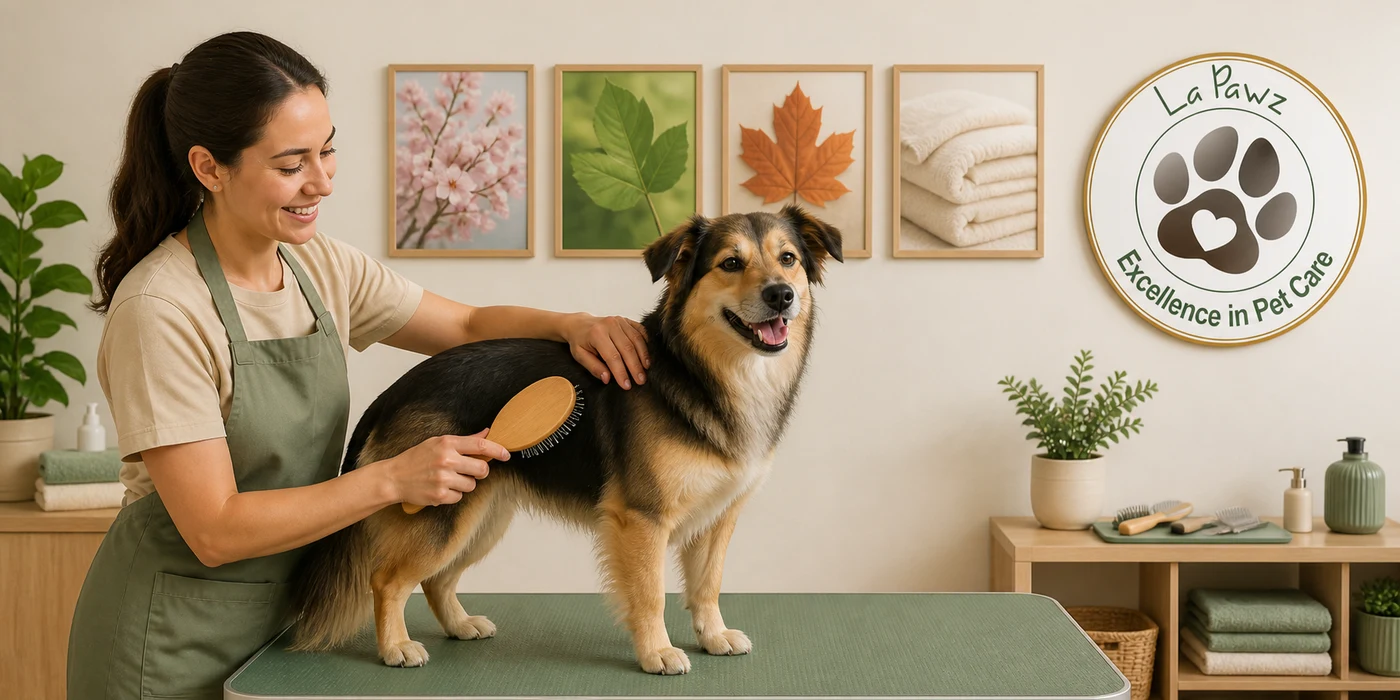
Seasonal grooming is not just about making a dog look tidy for spring photos or holiday guests. Done consistently, it helps protect the skin under the coat. That matters in North Texas, where pollen, heat, humidity, sudden cold fronts, dry indoor air, and year-round fleas can all affect how a dog feels in their own skin.
The key idea is simple: skin problems often get worse when the coat hides them for too long. A seasonal grooming routine removes loose hair, separates dense coat, clears debris, reduces friction, and gives owners and groomers a closer look at what is happening underneath.
La Pawz Dog Care cannot diagnose skin disease or replace veterinary treatment. But regular grooming can help pet parents notice changes earlier, keep the coat manageable, and support the skin-care plan your veterinarian recommends.
Why seasons change the coat and skin
Dogs do not all shed or react to weather the same way. A Labrador, Husky, Poodle mix, Shih Tzu, senior dog, and short-coated hound may need very different routines. Even so, seasonal shifts create common pressure points.
In spring, pollen and outdoor allergens may cling to paws, legs, belly fur, and facial hair. In summer, heat and humidity can make damp coats, skin folds, and matted areas more uncomfortable. In fall, many dogs release undercoat again. In winter, dry indoor air and less frequent bathing can leave some dogs flaky, itchy, or oily.
The American Animal Hospital Association notes that allergy signs may include scratching, licking, chewing, red skin, hair loss, hot spots, and recurring ear or skin infections. Those signs need veterinary guidance, but a clean, well-maintained coat makes them easier to spot.
Mats are more than a cosmetic issue
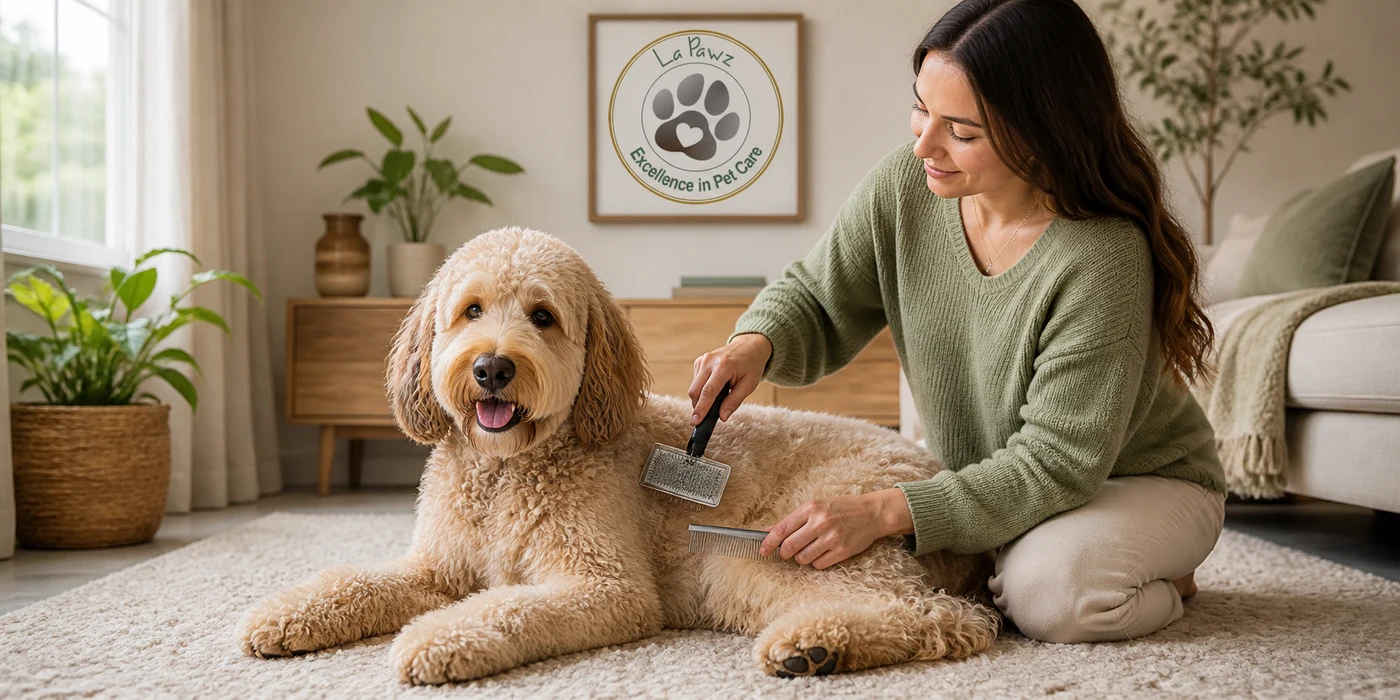
Matting is one of the biggest reasons seasonal grooming matters. A mat is not just a knot. It can tighten close to the skin, pull when a dog moves, trap moisture, and hide irritation. Mats often form where friction and dampness meet: behind the ears, under collars and harnesses, between the front legs, around the rear, under the tail, and in long facial hair.
The American Kennel Club explains that brushing between professional visits helps prevent mats that can cause discomfort and make grooming harder for both the dog and groomer.
Once mats become tight, brushing them out may be painful or unsafe. In those cases, the humane choice may be a shorter trim or careful mat removal by a professional. Seasonal appointments prevent that cycle by keeping tangles small, movable, and manageable.
For La Pawz clients, this is especially important for doodles, poodles, bichons, Shih Tzus, Maltese, Yorkies, double-coated dogs, and seniors who may not tolerate long catch-up appointments well.
Trapped moisture can create bigger problems
Moisture is sneaky. A dog may look dry on the surface while dampness remains close to the skin under dense coat, furnishings, mats, or packed undercoat. That damp layer can contribute to odor, irritation, and discomfort. After rain, swimming, baths at home, or humid summer walks, thick coats need more than a towel rub.
Professional grooming helps because bathing is paired with thorough rinsing, coat separation, and controlled drying. That process removes loose coat and helps air reach the skin. For double-coated dogs, high-velocity drying can move shed undercoat that brushing alone may miss.
If you notice strong odor, greasy patches, redness, sores, oozing, crusting, or a dog who suddenly resists touch, call your veterinarian. The Merck Veterinary Manual notes that bacterial skin infections may require veterinary treatment and that grooming can be important in removing hair that traps debris and bacteria.
Seasonal grooming reduces allergen buildup
Grooming does not cure allergies. Allergic skin disease is medical, often chronic, and should be managed with a veterinarian. But seasonal grooming can reduce what sits on the coat.
Pollen, dust, mold spores, grass, weeds, and outdoor debris can collect on paws, bellies, ears, faces, and long coat. Dogs may then lick or chew irritated areas, which can make the skin even more inflamed. Bathing with the right product, wiping paws after outdoor time, and keeping long hair from dragging through grass can all support comfort.
AAHA recommends working with a veterinarian for allergy signs and notes that bathing with hypoallergenic or moisturizing dog shampoos, avoiding over-bathing, and wiping the coat or paws after outdoor time may help manage flare-ups for some dogs.
At La Pawz, an Allergy Management Plan can support veterinarian-directed care with gentle bathing, coat observations, and home-care communication. If your veterinarian prescribes a shampoo, bring it in the original container with readable instructions.
Paw care matters every season
Paws carry a lot of seasonal trouble. Spring pollen, summer hot pavement, fall burrs, winter dryness, lawn treatments, mud, and small debris can all show up between the toes or around paw pads. Overgrown paw hair can hold moisture and make it harder to see redness, cracks, or foreign material.
Seasonal grooming keeps paw hair tidy, nails maintained, and pads easier to inspect. Nail length matters too. Long nails can change how a dog stands or walks, which may increase strain and make senior or mobility-challenged dogs less stable.
Between appointments, gently check paws after walks. Look for redness, licking, swelling, cracked pads, stuck seeds, burrs, or odor. If your dog limps, guards a foot, or chews one paw repeatedly, contact your veterinarian.
Different coat types need different seasonal plans
A good grooming plan should match the dog, not the calendar alone.
Short-coated dogs may need regular baths, nail care, ear checks, and quick brushing to remove loose hair and spot skin changes. Long-coated dogs need comb-through maintenance so tangles do not become mats. Curly and wavy coats often need scheduled haircuts because loose hair stays in the coat instead of falling out. Double-coated dogs need undercoat removal and thorough drying, not automatic shaving.
The AKC grooming guidance emphasizes that grooming needs vary by breed and coat, and that owners should contact a veterinarian if they notice sores, wounds, or injuries.
That is why La Pawz offers several care paths: grooming for routine coat maintenance, Double-Coat Maintenance for heavy shedders, Platinum Coat Care for high-maintenance coats, and Senior Dog Wellness for dogs who need gentler pacing.
When grooming should pause for veterinary care
Do not wait for a regular grooming appointment if your dog has open sores, bleeding, swelling, pus, sudden bald patches, severe itching, facial swelling, collapse, pain, or rapidly worsening odor. Those are veterinary issues first.
The AAHA itchy-dog guide explains that itching is a symptom, not a diagnosis, and may come from allergies, parasites, infections, food reactions, or other health issues. Attempting to self-diagnose can delay care.
Once your veterinarian gives direction, grooming can often support the plan with the right frequency, products, and handling notes.
The La Pawz seasonal rhythm
For many dogs, the best schedule is not “whenever the coat looks bad.” It is a rhythm:
- Spring: remove winter undercoat, manage pollen, check paws and ears
- Summer: prevent moisture traps, keep sanitary areas tidy, support heat comfort
- Fall: clear shedding coat, prevent friction mats before holiday boarding
- Winter: watch dryness, maintain nails, keep long coats combed and manageable
Seasonal grooming protects comfort because it prevents small coat issues from hiding long enough to become painful skin issues. It also gives owners a repeatable way to notice changes and ask for help early.
If your dog is shedding heavily, matting between visits, licking paws, smelling musty, or showing seasonal skin changes, request an appointment with La Pawz Dog Care in Plano. We will help you choose a practical grooming rhythm and recommend veterinary care whenever a skin concern needs medical attention.