Wellness
Dogs Handle Heat Differently Than Humans: What Plano Pet Parents Should Know
Dogs do not cool down the way people do. Understanding panting, humidity, pavement, coat type, and early heat stress signs can help prevent dangerous summer emergencies.
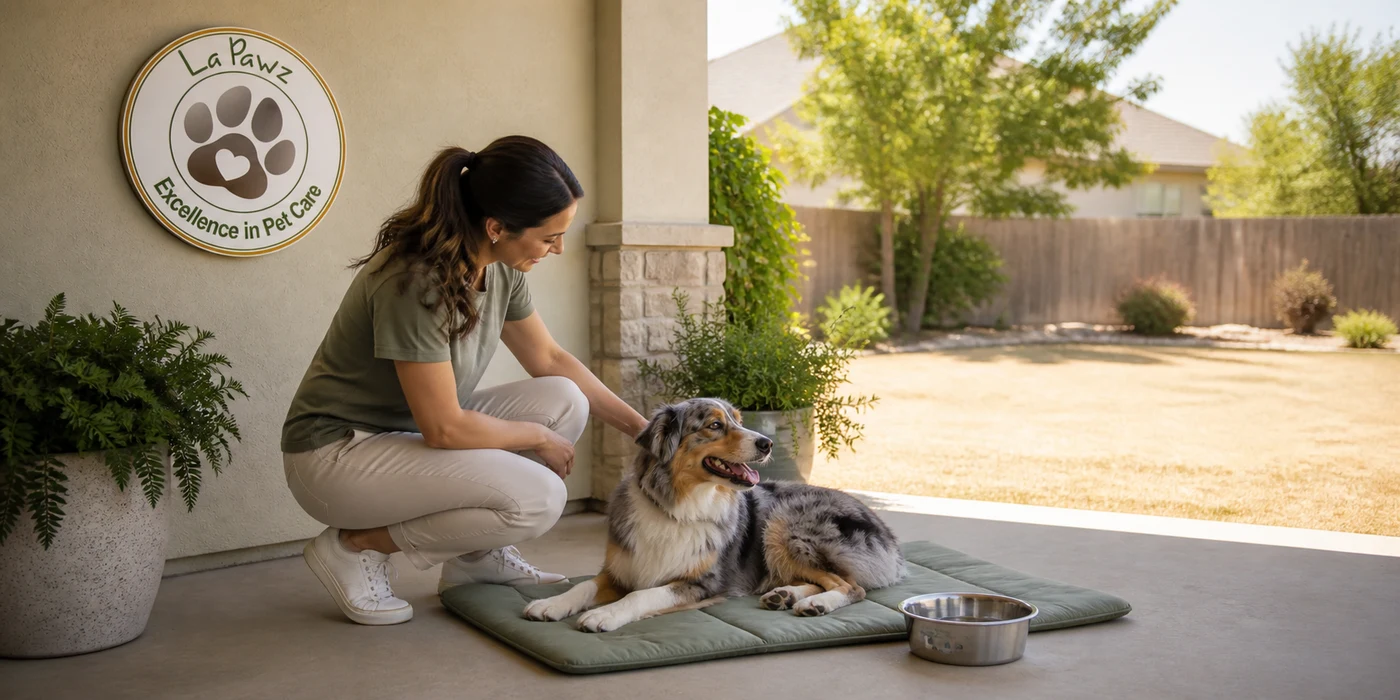
North Texas heat has a way of sneaking up on people. A quick walk, a few minutes of play, or a short wait outside can feel manageable to us, especially if we are dressed lightly and sweating. Dogs experience that same heat very differently. They are lower to the ground, they wear a coat they cannot take off, and they do not rely on full-body sweating the way humans do.
That difference matters. A dog may look happy and eager right up until the moment they are in trouble. Many dogs will keep walking, playing, or trying to please their owner even when their body is struggling to cool down.
La Pawz Dog Care cannot diagnose or treat heat illness, but we can help pet parents understand summer risk, plan safer grooming and care routines, and know when a dog needs veterinary attention.
Dogs do not sweat like humans
Humans cool down mainly by sweating across the skin. As sweat evaporates, it pulls heat away from the body. Dogs have sweat glands, but not in the same useful, whole-body way. Their main sweat glands used for cooling are mostly in the paw pads, which provides only limited help on a hot day.
The major cooling tool for dogs is panting. The American Kennel Club explains that panting moves air across moist surfaces in the mouth, nose, and lungs so evaporation can help cool the body from the inside. Dogs may also seek shade, stretch out on cool floors, expose their belly, or move blood closer to the skin in areas like the face and ears.
Those methods are real, but they are not as efficient as human sweating. When the air is hot and humid, panting works less well because evaporation slows down. That is one reason a humid Plano afternoon can be risky even when the temperature does not look extreme on paper.
Panting is normal until it is not
Panting after play, excitement, or a warm walk can be normal. The question is whether your dog can recover. A dog who cools down after rest, shade, and water is different from a dog whose panting becomes frantic, noisy, uncontrolled, or paired with weakness.
Watch for heat stress signs such as:
- Heavy or nonstop panting
- Thick drooling
- Bright red, dark red, pale, blue, or sticky gums
- Weakness, stumbling, or collapse
- Vomiting or diarrhea
- Confusion or a dazed look
- Refusing to walk or struggling to rise
- Tremors, seizures, or loss of consciousness
The AKC Canine Health Foundation lists panting, drooling, red mouth tissues, rapid heart rate, vomiting, staggering, seizures, and collapse among possible signs of heat stroke. Heat illness is an emergency. Move the dog out of heat, begin cooling with cool water if you can do so safely, and contact a veterinarian or emergency clinic right away.
Some dogs are higher risk
Any dog can overheat, but some dogs need extra caution. Short-nosed breeds such as bulldogs, pugs, Boston terriers, boxers, and similar dogs may struggle because their airways make heat exchange less efficient. Senior dogs, puppies, overweight dogs, dogs with heart or breathing disease, heavily coated dogs, dark-coated dogs, and dogs who are not used to hot weather may also be more vulnerable.
Fitness does not eliminate risk. Athletic dogs can overheat because exercise produces body heat. High-energy dogs may not choose to stop early enough. That is why owners should manage activity before a dog reaches obvious distress.
The VCA Animal Hospitals heat-stroke guide explains that heat stroke is an immediate medical emergency and that dogs can develop abnormal gum color, high breathing rates, lethargy, disorientation, and seizures. If you are unsure whether your dog is overheated, treat it as urgent and call a veterinary professional.
Pavement changes the walk
Dogs experience heat from above and below. Sidewalks, parking lots, patios, and turf can become much hotter than the air. Because dogs are closer to the ground, they breathe hotter air and their paw pads contact hot surfaces directly.
Before a walk, place the back of your hand on the pavement. If it feels too hot for your skin, it is not a good surface for paws. Choose shaded grass when possible, walk early or late, keep routes short, and bring water. Avoid midday errands where your dog has to stand on concrete or wait near cars.
Hot paws are not the only problem. When the ground radiates heat, the whole dog heats faster. A small dog or short-legged dog may be living in a hotter layer of air than the person holding the leash.
Coats protect, but they still need maintenance
It is tempting to think a summer haircut solves heat risk. Sometimes a shorter, easier-care trim is helpful, especially for dogs whose coat mats, traps debris, or becomes unmanageable. But shaving is not automatically the best choice for every coat.
Double coats have protective outer hairs and insulating undercoat. Removing loose undercoat through brushing, bathing, and proper drying can help air move through the coat without stripping away its protective function. Shaving some double-coated dogs may affect regrowth and reduce the coat’s natural protection from sun and environmental exposure.
The practical goal is not “less coat at all costs.” It is a clean, separated, mat-free coat. Mats and compacted undercoat can trap heat and moisture close to the skin. Regular grooming helps keep coat maintenance realistic during long Texas summers.
Boarding and daycare need heat awareness too
Heat safety matters at home, during walks, during daycare, and before boarding. If your dog overheats easily, tires quickly, has breathing limitations, or takes medication that affects activity tolerance, tell the care team before drop-off.
At La Pawz, daycare and boarding requests should include practical notes about heat tolerance, age, coat type, activity style, and any veterinarian guidance. Some dogs need shorter outdoor sessions, more indoor rest, calmer playgroups, or extra monitoring during hot weather.
An included exit bath after a qualifying boarding stay—or the complimentary bath earned after ten paid daycare visits—can help a dog go home fresh, but bathing is not a substitute for heat prevention. Hydration, shade, rest, ventilation, and careful activity choices matter most.
Build a safer summer routine
A heat-smart routine is usually simple:
- Walk early in the morning or later in the evening
- Keep midday potty breaks short
- Bring water and offer breaks often
- Choose shade and grass over concrete
- Avoid hard exercise in heat or humidity
- Never leave a dog in a parked car
- Keep coats brushed and free of mats
- Watch brachycephalic, senior, overweight, and heavily coated dogs closely
- Stop activity before your dog looks exhausted
The American Veterinary Medical Association warns that parked vehicles can become dangerous quickly and offers warm-weather safety guidance for pet owners, including shade, water, and avoiding heat stress.
When to call the veterinarian
Call a veterinarian immediately if your dog has severe panting that does not settle, weakness, collapse, vomiting, diarrhea, abnormal gum color, confusion, seizures, or a body that feels very hot. Do not wait to see if a serious heat episode passes on its own.
For non-emergency planning, ask your veterinarian what summer limits make sense for your dog’s breed, age, weight, health, and medications. Then share those notes with groomers, daycare staff, and boarding caregivers.
The La Pawz takeaway
Dogs are not small humans in fur coats. Their cooling system is different, and that makes summer planning important. Panting, shade, water, coat care, and smart scheduling all work together.
If your dog needs a summer coat reset, regular nail and paw care, a daycare routine, or boarding support with clear heat notes, request an appointment with La Pawz Dog Care in Plano. For suspected heat illness, contact your veterinarian or emergency clinic first.