Wellness
Grooming Dogs with Sensitive Skin and Allergies
For sensitive dogs, consistency and clear veterinary direction matter more than chasing every new shampoo or trend.
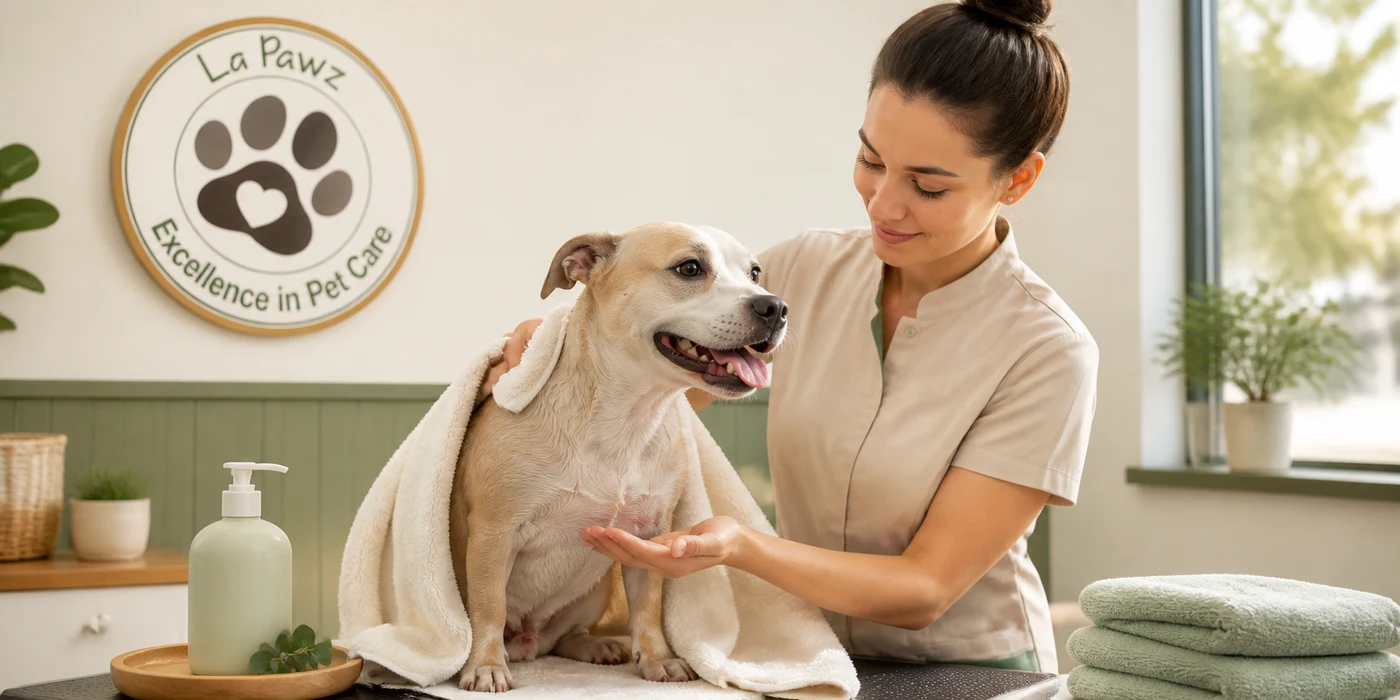
Grooming can help keep a sensitive coat clean and observable, but it does not diagnose or cure allergies. The safest approach is a consistent routine coordinated with a veterinarian, especially when itching, redness, odor, hair loss, or ear problems persist.
Start with a veterinary plan
“Allergies” can describe different triggers and symptoms. Fleas, environmental allergens, food reactions, infection, parasites, contact irritation, and other conditions may look similar to an owner or groomer.
The Merck Veterinary Manual’s overview of canine atopic dermatitis explains that diagnosis depends on history, clinical signs, and ruling out other causes. Ask your veterinarian what products, frequency, contact time, and follow-up are appropriate.
If a veterinarian prescribes or recommends a product, provide it in the original container with readable instructions. Tell the groomer whether there has been a reaction to a shampoo, fragrance, topical treatment, or drying method.
Gentle product use is only one part
A mild or hypoallergenic shampoo may be appropriate, but technique matters too:
- Use water at a comfortable temperature
- Dilute products only as directed
- Follow prescribed contact time
- Rinse completely
- Avoid vigorous scrubbing of irritated areas
- Dry thoroughly without excessive heat
- Use clean tools and towels
Adding several new products at once makes it harder to know what helped or caused irritation. Fragrance-free does not automatically mean reaction-free, and “natural” does not guarantee safety.
Keep a simple observation record
Write down what the skin and coat look like before and after care. Note:
- Location of visible redness or flaking
- Itch patterns reported at home
- Greasy, dry, or unusually odorous coat
- Seasonal timing
- Products used
- Changes after outdoor activity
Photos taken under similar lighting can help an owner communicate changes to a veterinarian. Groomers should describe what they see without assigning a diagnosis.
Do not groom over urgent problems
Open sores, swelling, bleeding, pus, severe pain, sudden facial swelling, breathing difficulty, widespread hives, or rapidly worsening symptoms require veterinary attention. If a dog is too uncomfortable to be handled safely, routine grooming may need to wait.
The American Veterinary Medical Association advises owners to work with a veterinarian to identify and manage allergy symptoms rather than attempting to diagnose the trigger alone.
Build a repeatable schedule
When a veterinarian supports regular bathing, a predictable schedule helps owners follow the plan and notice changes. The interval may shift during North Texas allergy seasons or after a flare. Between visits, wash bedding as directed, follow flea prevention advice, and avoid unapproved topical products.
La Pawz’s Allergy Management Plan can incorporate veterinarian- or owner-supplied products, gentle bathing, coat and skin observations, and home-care communication. Request a plan consultation, or call us before submitting sensitive medical details online.