Pet Health
New World Screwworm in Texas: What Dog Owners Should Know Before Grooming or Boarding
The U.S. risk remains low, and veterinarians now have an emergency treatment option. Learn why it is not prevention and when pet care should pause.
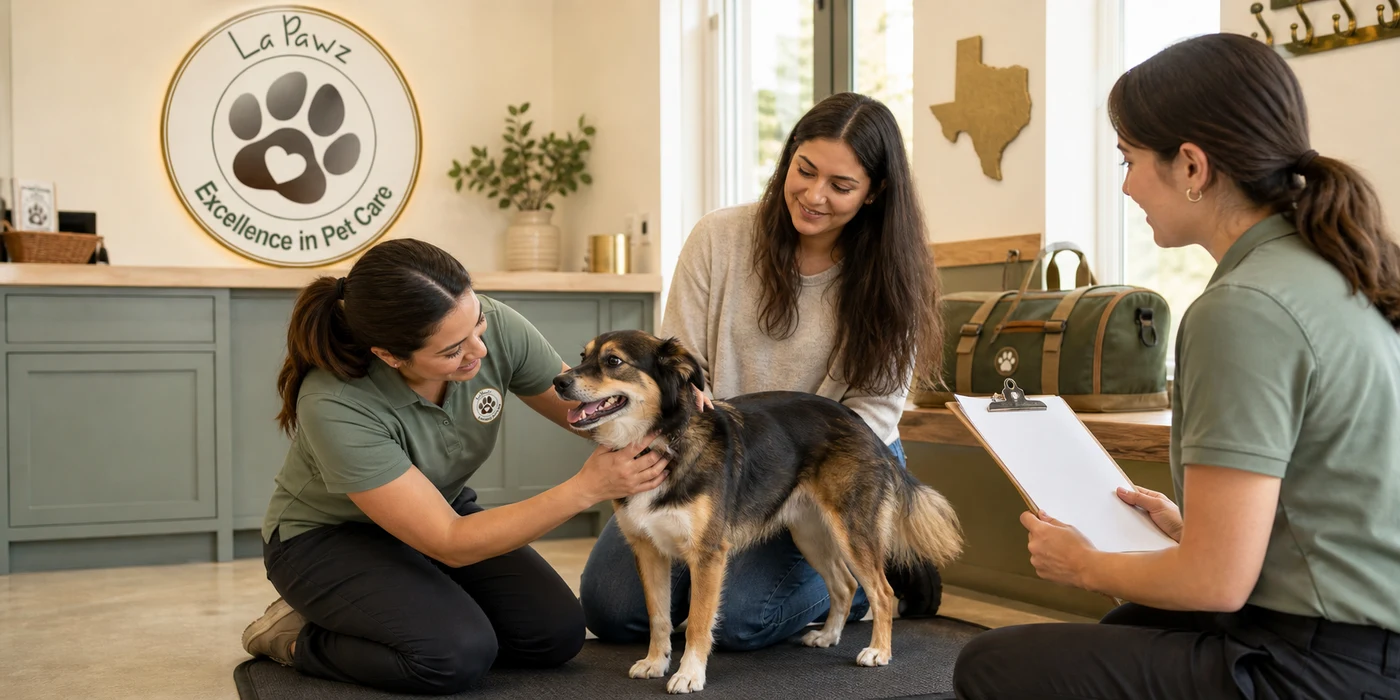
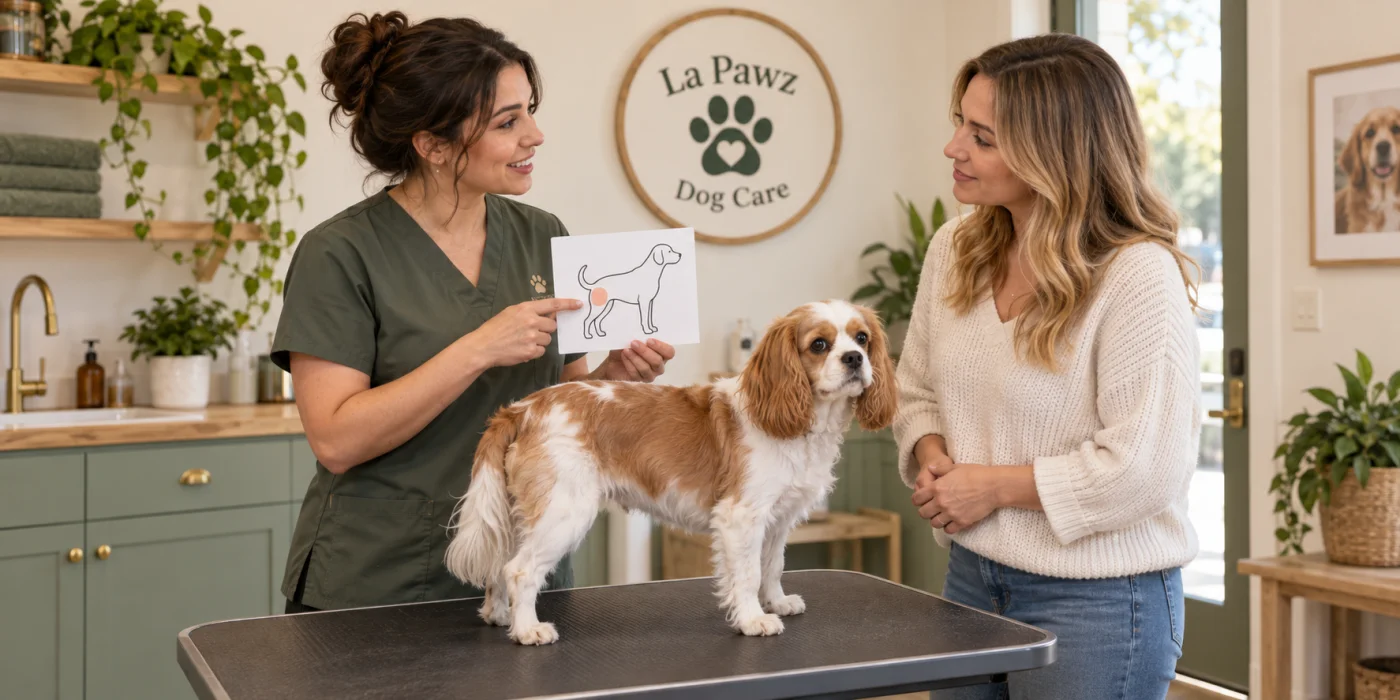
Most grooming and boarding arrivals at La Pawz begin with ordinary conversation: How has your dog been feeling? Did anything change since the last visit? Is there a tender spot we should avoid? In 2026, one more question belongs in that routine: Have you noticed any new, draining, worsening, or unusual wound?
That question is not meant to create alarm. The CDC’s August 11, 2026 New World screwworm situation summary describes the overall U.S. risk to people and animals as very low. It is still sensible for Texas pet businesses and dog owners to recognize visible warning signs because New World screwworm flies can use open wounds or body openings, and early veterinary attention matters.
At La Pawz Dog Care in Plano, the practical response is straightforward: observe what is plainly visible during intake, do not diagnose, and stop the service for veterinary referral if a wound looks suspicious or unsafe to groom around.
September 16 update: one Texas zone released
USDA’s September 16 notice reports that Texas released Infested Zone 09. Other zones remain. The release removes zone-specific screwworm movement requirements in that area; interstate and international requirements still apply. Check your route against the current TAHC map before moving a pet.
Why Texas dog owners are hearing about screwworm now
On June 3, 2026, USDA confirmed New World screwworm in a calf in Zavala County, the first U.S. animal case in the current outbreak. Texas and federal officials expanded surveillance, sterile-fly releases, animal-movement controls, and public education.
The Texas Animal Health Commission’s New World screwworm page includes a Certified Inspector Program developed with Texas A&M AgriLife. Authorized inspectors can examine animals and issue certificates when animals leave a designated infested zone. Routine grooming staff are not inspectors, veterinarians, or treatment providers.
Case locations and zone boundaries can change. Check the current TAHC information and zone maps and USDA screwworm updates before travel. A national risk summary is not a current risk assessment for a particular county or dog.
August 13 update: Simparica TRIO is authorized for treatment, not prevention
On August 13, 2026, the FDA issued an Emergency Use Authorization for Simparica TRIO. A licensed veterinarian may prescribe the chewable tablets to treat New World screwworm infestation in dogs and puppies when appropriate. This emergency use is not a new FDA approval for screwworm, and the product requires a veterinary prescription.
The most important distinction is simple: Simparica TRIO is not authorized to prevent New World screwworm. Owners should not give a dose to prevent exposure or decide on treatment without their veterinarian. The FDA says most U.S. dogs remain at low risk, but dogs living in, visiting, or returning from identified areas—including specific parts of Texas and New Mexico—should be watched closely for visible maggots, foul odor, or wounds that worsen.
This treatment update does not change La Pawz’s protocol. A suspicious wound still means stop the grooming or boarding service, separate the dog calmly from group activity, contact the owner, and seek immediate veterinary direction. Only a veterinarian can decide whether Simparica TRIO is appropriate and monitor for potential adverse reactions.
What is New World screwworm?
New World screwworm is the larval stage of the fly Cochliomyia hominivorax. The fly lays eggs along the edges of wounds or near body openings. After hatching, the larvae feed on living tissue. Dogs, livestock, wildlife, birds, and, less commonly, people can be affected.
Not every fly, skin irritation, or maggot is New World screwworm. Identification requires qualified veterinary and animal-health professionals. A pet parent, groomer, or boarding attendant should notice a concerning change and get the dog to the right professional promptly—not name the cause.
USDA advises animal owners to watch for draining or enlarging wounds, maggots or egg masses, signs of discomfort, and lesions around body openings such as the nose, ears, genital area, or a young animal’s umbilical area. Its June 2026 animal-health update emphasizes immediate contact with a veterinarian or animal-health official when infestation is suspected.
What a visible-wound observation at intake means
A grooming or boarding intake observation is deliberately limited. Staff can notice exposed areas while greeting and handling the dog normally. They may see the face, outer ears, legs, paws, belly outline, and visible coat surface. They can ask the owner about known cuts, hot spots, recent procedures, insect bites, skin treatment, or changes in behavior.
This is not a nose-to-tail medical examination. Staff should not probe a wound, remove a scab, separate painful tissue, collect larvae, or promise that a dog is “clear.” Thick coats can hide problems, and some conditions are only apparent after a veterinarian clips or examines the area safely.
Water, shampoo, drying, clipping, group play, and overnight housing may aggravate an open or painful area even when screwworm is not the cause.
When La Pawz should stop the service and refer
The following visible findings should pause grooming or boarding intake and prompt contact with the owner and a veterinarian:
- a wound that is open, draining, bleeding, enlarging, or not healing;
- visible maggots, larvae, or pale egg-like masses on a wound;
- a strong foul odor coming from a sore or body opening;
- unexpected swelling, heat, discharge, or substantial redness;
- marked pain, repeated licking, guarding, weakness, unusual isolation, or loss of appetite; or
- a fresh wound or recent surgical site that the owner did not disclose or that appears unsuitable for routine service.
None of these signs proves screwworm. They can occur with abscesses, trauma, infected hot spots, torn nails, ear disease, surgical complications, or other conditions. That uncertainty is exactly why the next step belongs to a veterinarian.
If staff see active larvae or a rapidly worsening wound, the service should not begin. The dog should remain calmly supervised away from group activity while the owner is contacted for prompt veterinary care. Staff should not apply insecticide, wound spray, shampoo, ointment, or a home remedy; attempt to remove material; or continue clipping to “get a better look.” Treatment and any official sample collection are outside a grooming or boarding facility’s role.
A practical grooming and boarding protocol
1. Ask before hands-on care
At check-in, ask about new wounds, recent surgery, unusual licking, discharge, odor, appetite changes, and recent travel to an affected area. Owners should answer plainly, even if the spot seems minor. A hidden concern is harder to handle safely after a bath has started or the owner has left.
2. Observe without diagnosing
During normal handling, note only objective, visible facts. “Moist red area behind the left ear” is useful; “parasite infection” is a diagnosis staff should not make.
3. Pause when the finding changes the safety plan
Do not start bathing, brushing, clipping, daycare play, or kennel placement around a concerning wound. Contact the owner, explain what is visible, and recommend veterinary assessment. For urgent or severe signs, advise immediate care.
4. Keep records factual
Document the time, location on the body, what was visibly observed, what the owner said, and the disposition of the visit. Avoid speculative language. Consistent notes help the owner explain the timeline to a veterinarian.
5. Follow routine sanitation and reporting guidance
After the dog leaves, clean any contacted surface and equipment using the facility’s established sanitation process. Suspected New World screwworm in Texas is reportable. TAHC directs suspected cases in livestock and companion animals to a regional office or the state veterinarian on call at 1-800-550-8242; the veterinary team can coordinate appropriate reporting and identification.
For boarding dogs, observation continues after check-in. Staff should note a newly opened hot spot, a wound that begins draining, a sudden odor, persistent licking, or a meaningful behavior change and contact the owner according to the care agreement. An intake check is a moment in time, not a guarantee that nothing can change overnight.
What owners can do before a La Pawz visit
The evening before grooming or boarding, run your hands gently over your dog without digging through painful areas. Check the paws, outer ears, collar area, tail base, and places your dog has been licking. Look at known scrapes each day and keep wounds clean and protected according to your veterinarian’s instructions.
Tell La Pawz about any current wound, recent procedure, prescribed treatment, or activity restriction before arrival. If a wound is worsening, draining, foul-smelling, unusually painful, or contains larvae, skip the salon or boarding drop-off and call your veterinarian. If you are traveling with your dog, also review our guide to the 2026 Mexico screwworm inspection requirement, because travel documents are separate from salon procedures.
Calm vigilance is the right level of response
“Very low risk” and “have a protocol” are not contradictory. The CDC’s risk assessment helps families avoid panic. Texas’s surveillance and inspector program show why organized observation and reporting still matter.
La Pawz will not label an ordinary sore as screwworm or attempt veterinary treatment. We will take visible concerns seriously, protect dogs from a service that may worsen a wound, and direct medical questions to veterinary professionals.
If your dog is healthy and ready for routine care, request a grooming appointment or contact La Pawz about boarding. Please share any skin or wound concern before arrival so we can help choose the safest next step.